
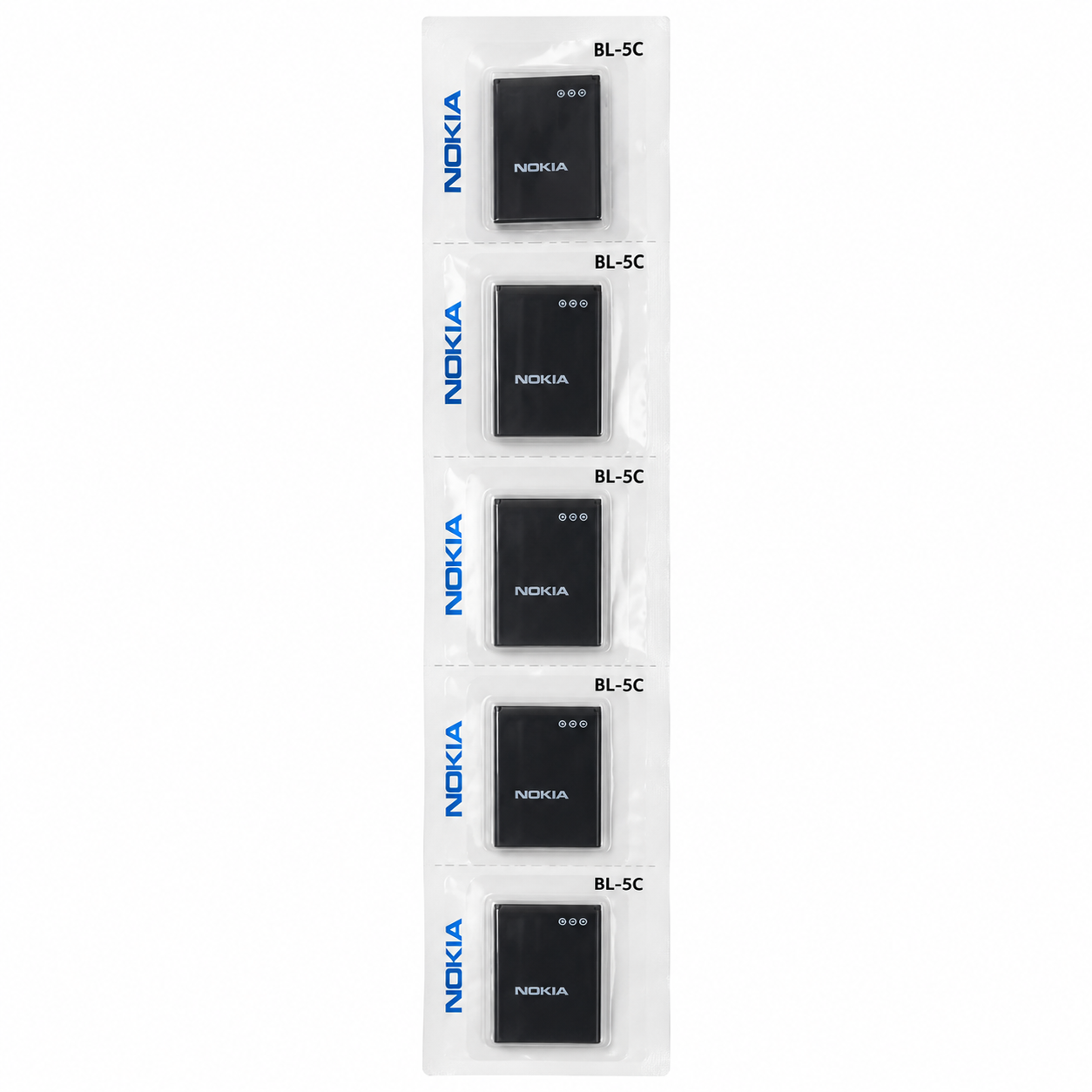


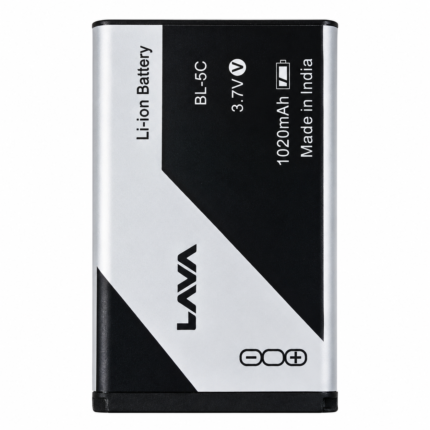
BATTERY FOR NOKIA 5c
Original price was: ₹45.00.₹40.00Current price is: ₹40.00.
A phone battery is a crucial component of any mobile device, responsible for providing the necessary power to keep the phone operational. On a website dedicated to phone batteries, you can find comprehensive information about various aspects, including: Types of Phone Batteries 1. Lithium-Ion (Li-Ion) Batteries: – Most common in modern smartphones. – High energy density, lightweight, and relatively long lifespan. – Low self-discharge rate compared to older battery technologies. 2. Lithium-Polymer (Li-Po) Batteries: – Similar to Li-Ion but can be molded into different shapes. – More stable and less prone to leaking. Battery Life and Performance – Capacity: Measured in milliampere-hours (mAh), indicates how much charge the battery can hold. – Charge Cycles: The number of complete charge and discharge cycles a battery can undergo before its capacity significantly diminishes. – Battery Health: Over time, a battery’s ability to hold a charge degrades. Tools and apps can help monitor battery health. Charging Practices – Fast Charging: Technologies like Qualcomm Quick Charge, USB Power Delivery, and proprietary solutions from manufacturers allow faster charging times. – Wireless Charging: Uses inductive charging through a charging pad, providing convenience but often slower than wired charging. – Charging Tips: Recommendations include avoiding extreme temperatures, not letting the battery drain completely, and using the charger that came with the phone. Common Issues and Solutions – Overheating: Can be caused by overuse, intensive applications, or faulty hardware. Solutions include reducing usage, closing background apps, and using proper chargers. – Battery Swelling: A sign of a failing battery. Immediate replacement is necessary to avoid damage to the phone. – Quick Drain: Could be due to background apps, poor battery health, or settings that consume a lot of power. Optimizing settings and monitoring app usage can help. Innovations in Battery Technology – Solid-State Batteries: Promise higher energy density and safety, with a solid electrolyte instead of a liquid one. – Graphene Batteries: Potential for faster charging times and longer lifespan. – Nanotechnology: Aims to increase capacity and charge cycles by improving material efficiency at the molecular level. Buying and Replacing Phone Batteries – OEM vs. Third-Party Batteries: Original Equipment Manufacturer (OEM) batteries are generally recommended for reliability and safety, though third-party options can be cheaper. – DIY Replacement Guides: Step-by-step instructions for replacing batteries in various phone models, including necessary tools and safety precautions. A website focused on phone batteries should also include user reviews, comparisons of different battery models, and expert advice on maintaining battery health. It can serve as a comprehensive resource for anyone looking to understand, buy, or replace a phone battery. …Read Less
Related products
BATTERY BLUETOOTH HEADPHONE+SPK BATTERY WiTH IC (350 MAH)


Reviews
Clear filtersThere are no reviews yet.